

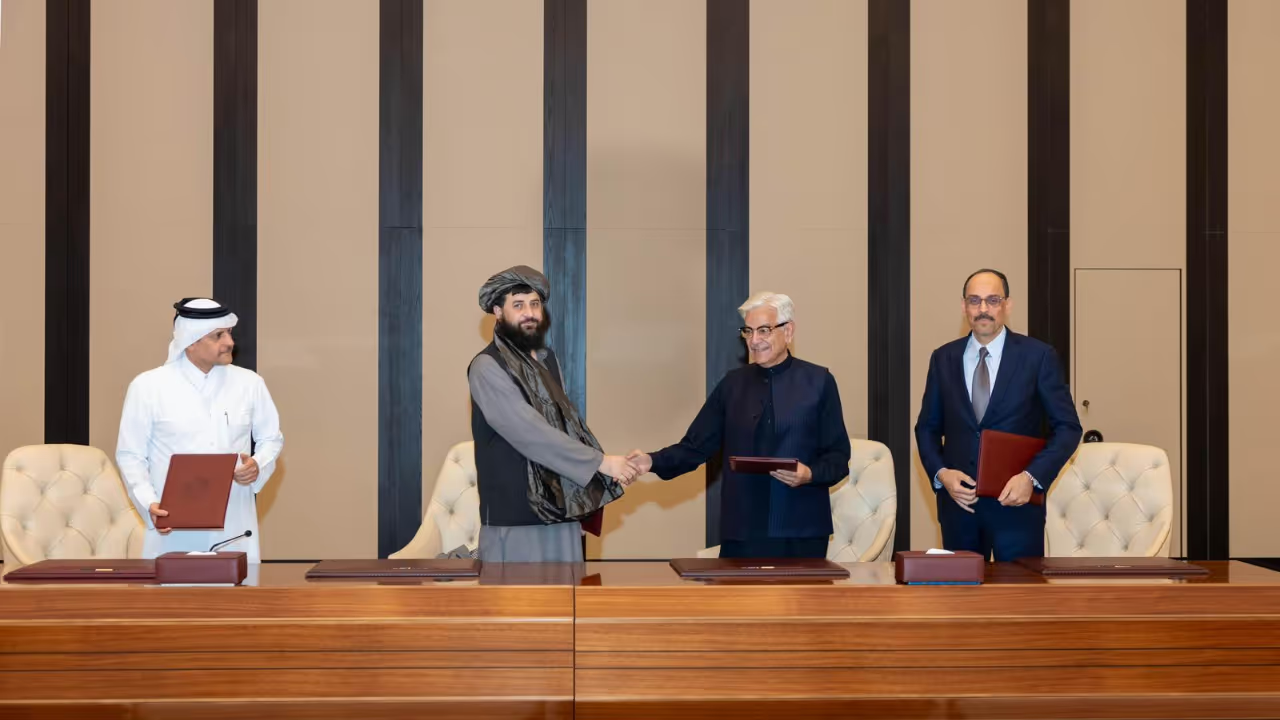
The latest round of Afghanistan–Pakistan talks in Turkey may be a serious deadlock. According to reports, the Istanbul negotiations—intended to defuse months of tension—are now on the verge of collapse after both sides traded accusations over “unrealistic” and “irrelevant” demands.
The dialogue, facilitated by Turkish mediators, was designed to rebuild trust between Kabul and Islamabad following months of escalating border violence and security disputes. Instead, it has exposed deeper divisions and revived old suspicions between the two uneasy neighbors.
Pakistan’s Conditions Trigger Standoff
According to diplomatic sources in Istanbul, the Afghan delegation submitted its formal response to the mediators’ draft framework earlier this week. But what was expected to be a step toward reconciliation quickly turned into a standoff.
The deadlock reportedly began when Pakistan introduced new conditions that Afghan officials described as “detached from the purpose of the talks.” Chief among these was Islamabad’s demand that Afghanistan guarantee zero security incidents inside Pakistani territory—a condition Kabul dismissed as impractical and outside the scope of any bilateral agreement.
Afghan representatives argued that Pakistan’s internal security is an issue rooted in its domestic landscape and cannot be externally guaranteed. Analysts point out that no neighboring state could credibly ensure such a condition, especially given Pakistan’s long-standing internal insurgent challenges.
TTP Relocation Demand Escalates Tensions
A second point of contention involved Pakistan’s insistence that Tehrik-e-Taliban Pakistan (TTP) members be transferred from Pakistan into Afghanistan. Afghan negotiators immediately rejected the demand, calling it irrelevant to the ongoing peace framework and counterproductive for regional security.
Kabul officials highlighted what they called a “fundamental contradiction”: Pakistan accuses Afghanistan of sheltering TTP fighters, yet simultaneously asks for their relocation across the border. Afghan authorities described the request as an attempt to “export domestic instability” and said it would amount to accepting “imported security liabilities” that Afghanistan cannot afford to shoulder.
Diverging Agendas and Growing Mistrust
The stalemate in Istanbul underscores the widening mistrust between the two governments since the Taliban takeover in August 2021. Initially, both sides appeared committed to limited cooperation on security and trade. However, relations quickly deteriorated as cross-border attacks and border clashes surged.
Islamabad continues to allege that TTP militants operate from Afghan soil, while Kabul accuses Pakistan of violating its sovereignty through drone strikes and artillery fire. The current impasse highlights the absence of a shared agenda: Pakistan prioritizes counterterrorism assurances, whereas Afghanistan insists that trade access, refugee management, and transit routes must also be part of the negotiations.
Turkey’s Mediation Faces Setback
For Turkey, which has played host to the Afghanistan–Pakistan dialogue, the breakdown poses a challenge to its role as a regional peace facilitator. Turkish mediators have refrained from public comment, but diplomatic insiders say there is mounting frustration over the rigidity of both sides.
Ankara’s efforts to mediate have been central to its broader goal of strengthening diplomatic influence in South and Central Asia. Yet, with the Istanbul round nearing failure, there are fears that months of backchannel engagement could unravel entirely if trust is not restored soon.
Fresh Ceasefire Violations Deepen the Crisis
Even as the two delegations exchanged proposals in Turkey, tensions flared violently back home.
According to Afghan provincial sources, Pakistan Army units shelled civilian areas in Kandahar’s Spin Boldak district, violating the fragile ceasefire and further undermining the talks’ credibility. The artillery strikes reportedly targeted homes near the Weesh area, killing a young man named Khan and four women from his family.
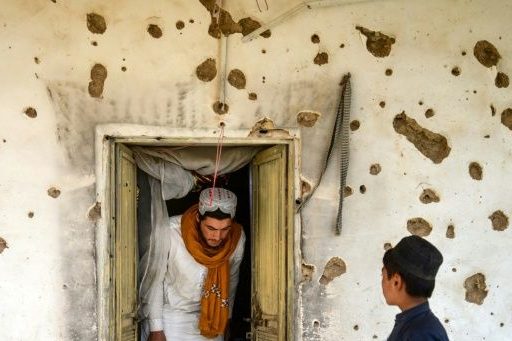
In a separate incident in Wardag village, one woman was killed and four others injured. Afghan officials condemned the shelling as an “unprovoked act of aggression” that directly contradicts Pakistan’s stated commitment to dialogue. The attack has fueled public outrage in Afghanistan and cast a long shadow over the fragile Istanbul negotiations.
Analysts note that such incidents risk collapsing whatever limited goodwill remains between the two sides, making future Afghanistan–Pakistan security cooperation increasingly uncertain.
The potential collapse of the Istanbul process carries significant implications for regional stability. Pakistan’s western frontier continues to face persistent militant activity, while Afghanistan’s economy remains isolated under international sanctions.
Should the talks fail completely, experts warn that border tensions could intensify, providing space for extremist groups to exploit the vacuum. For Kabul, rejecting what it views as coercive Pakistani conditions may reinforce its sovereignty but risks deepening its diplomatic isolation. For Islamabad, failing to secure concessions on cross-border militancy could lead to heightened domestic pressure amid rising attacks in Khyber Pakhtunkhwa and Balochistan.
As mediators in Turkey scramble to salvage the negotiations, prospects for progress appear dim. Turkish officials are reportedly exploring a revised, narrow agenda focused on intelligence-sharing and incremental confidence-building steps.
